
Compare the best home neurofeedback devices, including Muse S Athena, Emotiv Insight 2 and EPOC X, with key features, prices and uses.
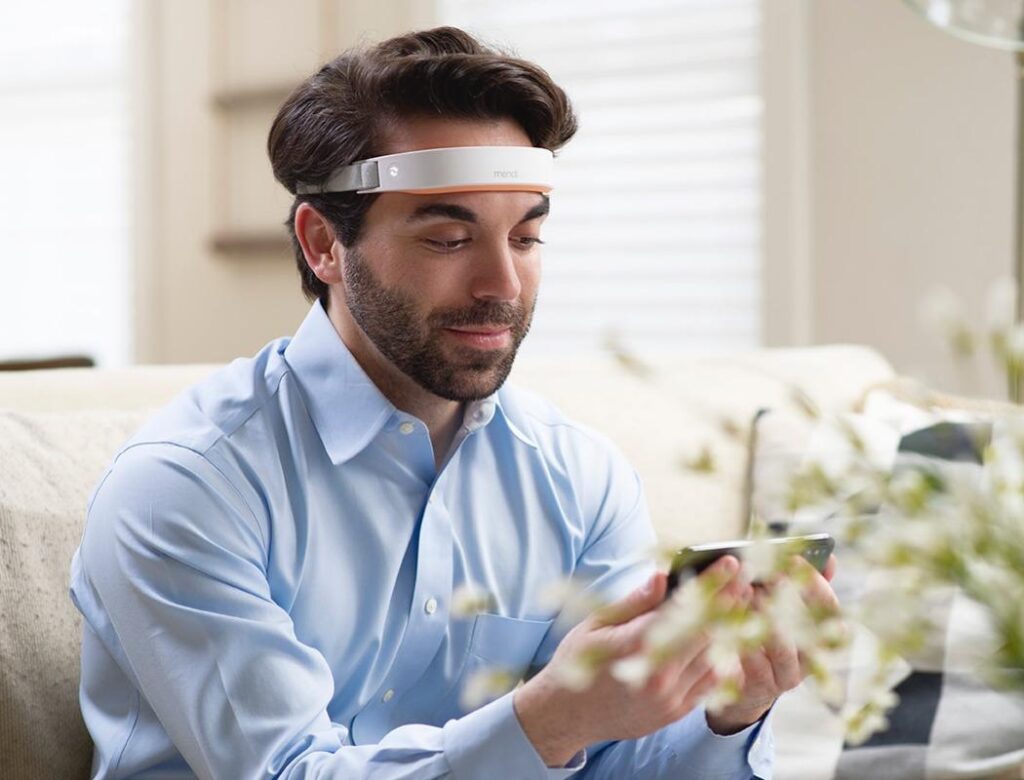
Home neurofeedback has become much more accessible, with consumer EEG headsets allowing users to monitor brain activity and use real-time feedback without visiting a specialist clinic. The best device depends on whether you want a simple meditation and relaxation tool or a more flexible EEG system for serious neurofeedback work.
Our top choices range from easy-to-use consumer headbands such as the Muse S Athena to more advanced multi-channel systems from Emotiv. While these devices can provide useful EEG feedback, they are not all designed for the same purpose, so it is worth comparing the hardware, software and available training options before buying.
Table of Contents
Best Home Neurofeedback Devices at a Glance
| Device | Best For | EEG Channels | Overall |
|---|---|---|---|
| Muse S Athena | Best Overall | 4 | ★★★★★ |
| Emotiv Insight 2 | Advanced Home Use | 5 | ★★★★½ |
| Emotiv EPOC X | Advanced EEG & Research | 14 | ★★★★½ |
| BrainBit | EEG Data Access | 4 | ★★★★ |
| Neeuro SenzeBand 2 | Brain Training | 5 | ★★★★ |
| BrainLink Lite | Budget | 1 | ★★★½ |
1. Muse S Athena – Best Home Neurofeedback Device Overall
The Muse S Athena is one of the easiest EEG headsets for beginners who want to experiment with neurofeedback at home. Its lightweight headband design makes it considerably less intimidating than traditional EEG equipment, while its accompanying software is built around accessible applications such as meditation, relaxation and sleep.
The main advantage is simplicity. You do not need specialist knowledge to put the headset on, connect it to compatible software and begin collecting brain activity data. That makes a muse eeg headband particularly appealing if your primary objective is personal brain training rather than research.
Best for: Beginners, meditation, relaxation, sleep and general home brain training.
2. Emotiv Insight 2 – Best for Serious Home Users
The Emotiv Insight 2 sits between consumer-friendly brain-training headbands and more sophisticated research EEG systems. Its five-channel EEG configuration provides more flexibility than many basic consumer devices while keeping the headset relatively compact and straightforward to use.
It is particularly interesting for people who want to experiment with neurofeedback beyond a single proprietary application. Emotiv’s software ecosystem provides access to EEG data and tools that can be useful for users who want to explore their brain signals in greater detail.
Best for: Home users who want more EEG flexibility and data access.
3. Emotiv EPOC X – Best Advanced Home EEG Headset
The EPOC X is a substantial step up from entry-level consumer headbands. With 14 EEG channels, it can capture considerably more spatial information from the brain than simpler four- or five-channel devices.
That makes it particularly attractive for advanced users, researchers, developers and anyone interested in experimenting with brain-computer interfaces as well as neurofeedback. The trade-off is that the EPOC X requires more learning and is considerably more expensive than a typical consumer headband.
Best for: Advanced neurofeedback, EEG experimentation, research and BCI projects.
4. BrainBit – Best for EEG Data
BrainBit offers another interesting option for users who are more interested in the underlying EEG data than a polished meditation experience. Its wearable design and access to EEG signals make it suitable for experimentation and applications where users want greater control over how the data is used.
It is less of an out-of-the-box wellness product than Muse, so it makes more sense for technically minded users who are prepared to spend time learning the associated software and applications.
5. Neeuro SenzeBand 2 – Best for Brain Training
The Neeuro SenzeBand 2 is designed around accessible brain-training applications rather than traditional clinical neurofeedback. The system can be used with compatible software for cognitive training and other forms of brain activity monitoring.
Its appeal is the combination of a relatively simple wearable format and software designed for everyday users. It is worth considering if you want structured brain-training exercises rather than raw EEG data.
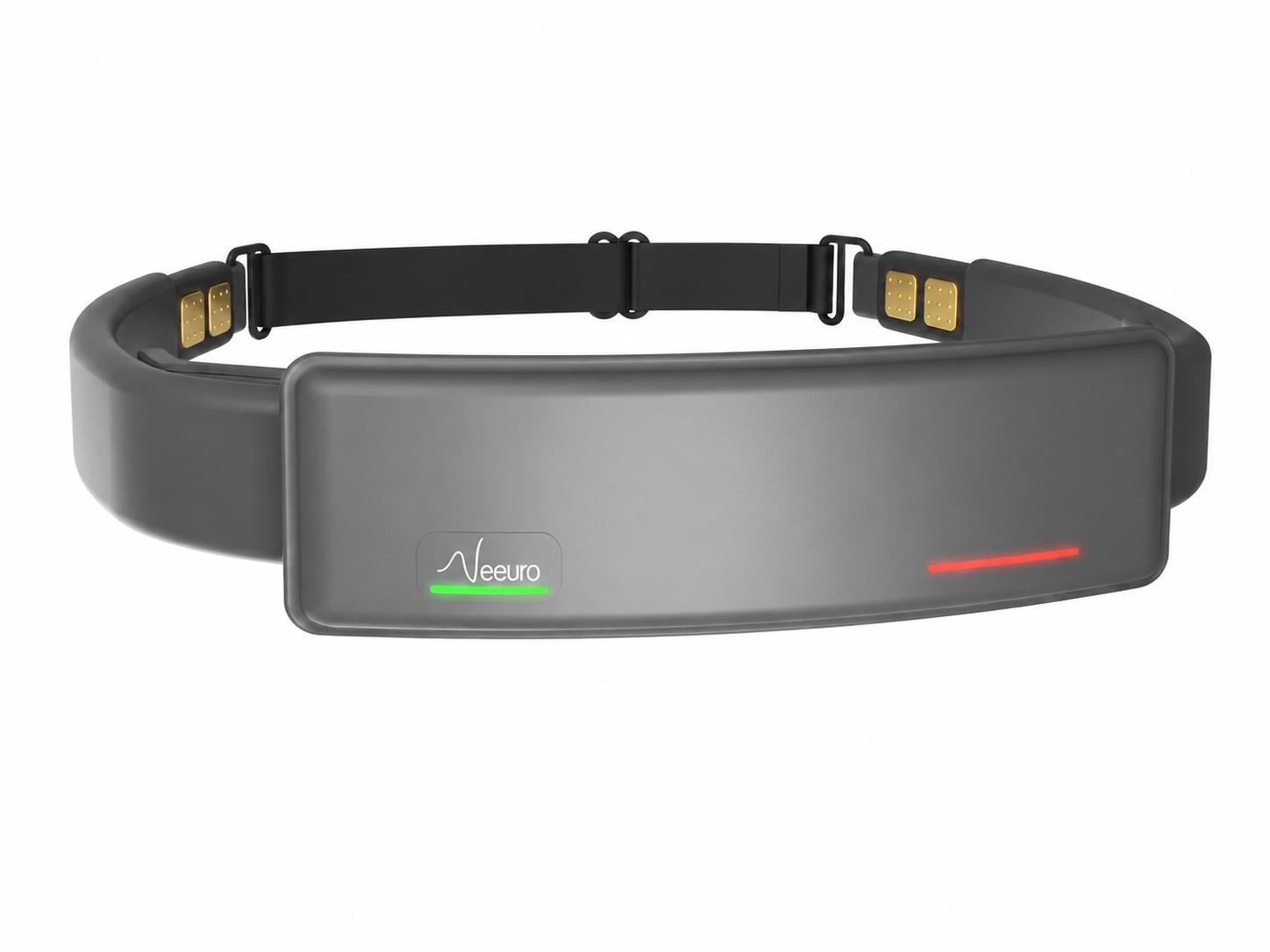
Neeuro EEG SenzeBand 2 for Improved Cognitive skills (Learning, reaction etc)
6. Macrotellect BrainLink Lite – Best Budget Option
The BrainLink Lite provides an inexpensive way to experiment with EEG-based brain training. Its single-channel approach is much more limited than the multi-channel Emotiv systems, but the lower cost makes it an accessible introduction to consumer EEG technology.
It is best regarded as an entry-level device rather than a direct competitor to the EPOC X or other advanced EEG systems.
What Is the Best Home Neurofeedback Device?
For most people, the Muse S Athena is the easiest starting point because it combines a comfortable wearable design with accessible software and relatively little technical setup.
If you want more control over EEG data and are prepared to spend more time learning the technology, the Emotiv Insight 2 is a stronger choice. For advanced users who want significantly more EEG channels, the Emotiv EPOC X is the clear step up.
Check out our best eeg headsets in the UK list for more ideas.
Home Neurofeedback vs Professional Neurofeedback
It is important not to assume that every consumer EEG headset provides the same type of neurofeedback used in a professional clinic. Consumer devices vary substantially in electrode configuration, signal quality, software and the feedback protocols available.
A home EEG headset can be useful for personal experimentation, meditation and certain forms of brain training, but it should not automatically be considered a substitute for assessment or treatment provided by a qualified neurofeedback professional.
What to Look for When Buying a Home Neurofeedback Device
- Number of EEG channels: More channels can provide greater spatial information, although more is not automatically better for every application.
- Signal quality: Reliable EEG signals are essential if you want meaningful feedback.
- Software: Check what apps and neurofeedback programs actually work with the headset.
- Comfort: A headset that is uncomfortable is unlikely to get much use.
- Data access: Advanced users may want access to raw or processed EEG data rather than being restricted to a proprietary app.
- Compatibility: Check Windows, Mac, iOS and Android compatibility before buying.
- Price: Consumer EEG headbands can cost a few hundred euros, while advanced multi-channel systems can cost considerably more.
Are Home Neurofeedback Devices Worth It?
For people interested in meditation, relaxation, brain training or experimenting with EEG, a home device can be an interesting investment. The biggest difference between products is not simply the number of sensors but what you can actually do with the resulting EEG data.
For straightforward home use, Muse is the easiest option to recommend. For users who want a more capable EEG platform, Emotiv offers considerably greater flexibility. The EPOC X is particularly compelling if you want to move beyond basic consumer brain training into more advanced EEG experimentation.
Our Top Picks
- Best overall: Muse S Athena
- Best for advanced home users: Emotiv Insight 2
- Best for advanced EEG: Emotiv EPOC X
- Best for EEG data access: BrainBit
- Best for structured brain training: Neeuro SenzeBand 2
- Best budget option: Macrotellect BrainLink Lite
Before purchasing, check the current software support and subscription requirements as these can have as much impact on the overall experience as the headset itself.