
Compare the best EEG Headsets and Headbands available in the UK. Independent reviews of Muse, EMOTIV, NeuroSky & OpenBCI with buying advice and recommendations.
Consumer EEG headsets have moved well beyond research laboratories. Today they are used for meditation, neurofeedback, cognitive training, software development, education and personal experimentation. While they cannot replace a clinical EEG carried out in hospital, they have become far more capable over the last decade and there are now several excellent options available to UK buyers.
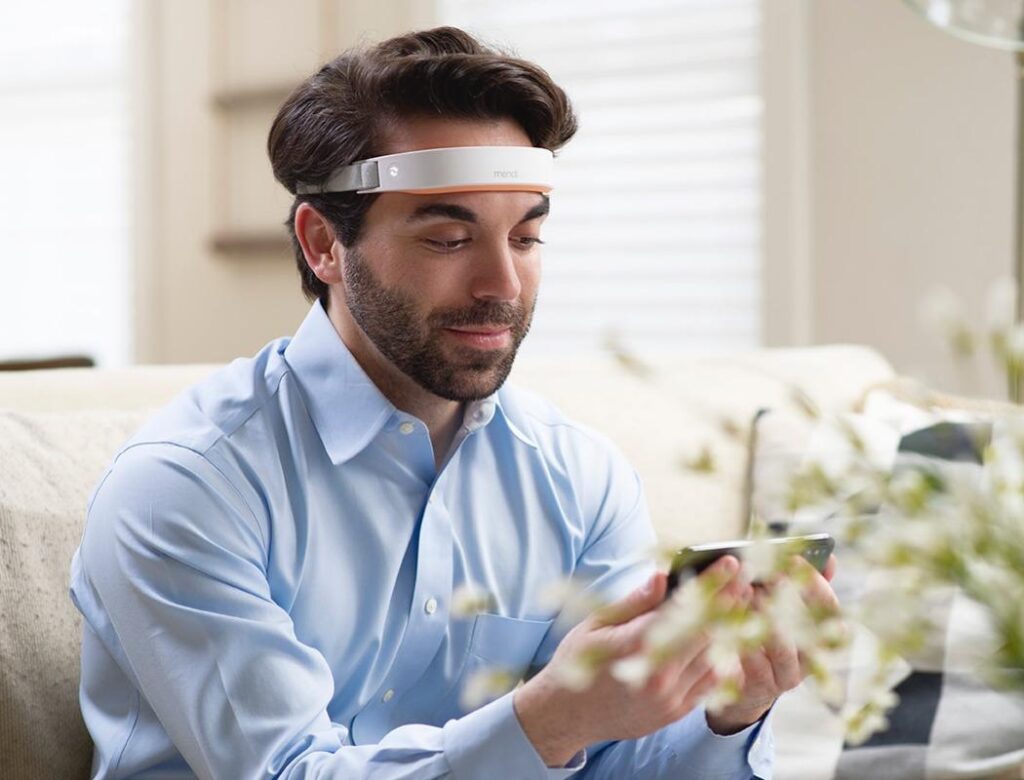
The challenge is choosing the right one. Some devices are designed for guided meditation, others provide raw brainwave data for developers, while premium systems are aimed at researchers and professional users. Prices range from under £150 to well over £1,000, so buying the wrong headset can be an expensive mistake.
This guide compares the leading EEG headsets currently available in the UK, explains who each one is best suited to and highlights the strengths and weaknesses of every model.
Table of Contents
Quick Comparison
| Headset | Best For | Channels | Typical Price | Overall Rating |
|---|---|---|---|---|
| Muse S Athena | Meditation, sleep and beginners | 4 EEG sensors | £350 to £450 | 9.4/10 |
| EMOTIV Insight | Research and app development | 5 EEG channels | £350 to £500 | 9.2/10 |
| NeuroSky MindWave Mobile 2 | Learning and education | Single sensor | £120 to £180 | 8.5/10 |
| OpenBCI Cyton | Advanced users and researchers | 8 to 16 channels | £700+ | 9.1/10 |
Why You Can Trust This Guide
Consumer EEG technology is evolving quickly, with new hardware, software updates and subscription models appearing every year. Rather than ranking products purely on technical specifications, we compared the factors that matter most to people actually buying an EEG headset in the UK.
Our recommendations are based on published specifications, software capabilities, independent user feedback, product maturity, UK availability and overall value for money. We also considered the long-term ownership experience, including software support, ongoing costs and ease of use.
No single headset is perfect. Instead of trying to crown one device as the winner for every situation, we’ve recommended the products that offer the best balance for different types of users.
How We Rated Each EEG Headset
Every headset was scored across five categories that we believe have the biggest impact on day-to-day use.
| Category | What We Considered |
|---|---|
| Signal Quality | Number of channels, sensor reliability and overall data quality. |
| Ease of Use | Initial setup, pairing, comfort and learning curve. |
| Software | Companion apps, updates, analysis tools and usability. |
| Value for Money | Purchase price, subscription costs and long-term ownership. |
| Overall Experience | How enjoyable and practical the headset is to use regularly. |
Ratings Breakdown
| Headset | Signal Quality | Ease of Use | Software | Value | Overall |
|---|---|---|---|---|---|
| Muse S Athena | 9/10 | 10/10 | 10/10 | 9/10 | 9.4/10 |
| EMOTIV Insight | 9/10 | 7/10 | 8/10 | 8/10 | 9.2/10 |
| NeuroSky MindWave Mobile 2 | 6/10 | 9/10 | 7/10 | 10/10 | 8.5/10 |
| OpenBCI Cyton | 10/10 | 3/10 | 8/10 | 8/10 | 9.1/10 |
Our Overall Recommendations
Best Overall EEG Headset/Headband
Muse S Athena
Muse remains the easiest EEG headset to recommend for most people. It combines reliable hardware with polished software, clear guided meditation sessions and detailed sleep tracking. Setup takes only a few minutes and the learning curve is much gentler than professional EEG systems.
For anyone interested in mindfulness, focus training or exploring neurofeedback for the first time, it strikes the best balance between usability, build quality and value.
Best for Developers
EMOTIV Insight
EMOTIV has built a strong reputation within neuroscience and brain-computer interface development. The Insight provides access to higher quality EEG data than most consumer devices and supports software development through its SDK, making it popular with universities and developers.
The trade-off is that the software ecosystem is aimed at more technical users and some features require ongoing subscriptions.
Best Budget EEG Headset
NeuroSky MindWave Mobile 2
Although it only uses a single EEG sensor, the MindWave remains an excellent introduction to brainwave monitoring. It is affordable, simple to use and supported by numerous educational projects.
If your goal is learning how EEG technology works rather than collecting detailed multi-channel recordings, it offers excellent value.
Best Professional Platform
OpenBCI Cyton
OpenBCI is not really competing with Muse or NeuroSky. Instead, it provides a flexible hardware platform that can be expanded, customised and integrated into research projects. It demands considerably more technical knowledge but offers capabilities that consumer headsets cannot match.
How We Chose the Best EEG Headsets
Rather than simply comparing specifications, we looked at the factors that actually matter to buyers in the UK.
- Overall EEG signal quality
- Comfort during longer sessions
- Ease of setup
- Software quality
- Developer support
- Availability in the UK
- Long-term value for money
- Company reputation and ongoing product support
We also considered whether each headset is suitable for complete beginners, hobbyists or more experienced users. A device that performs well in a university research project may not be the right choice for someone who simply wants to improve their meditation practice.
1. Muse S Athena Review
For most people, the Muse S Athena is the strongest all-round EEG headset currently available. Rather than overwhelming users with complex brainwave data, it focuses on delivering practical feedback that helps improve meditation and sleep routines.
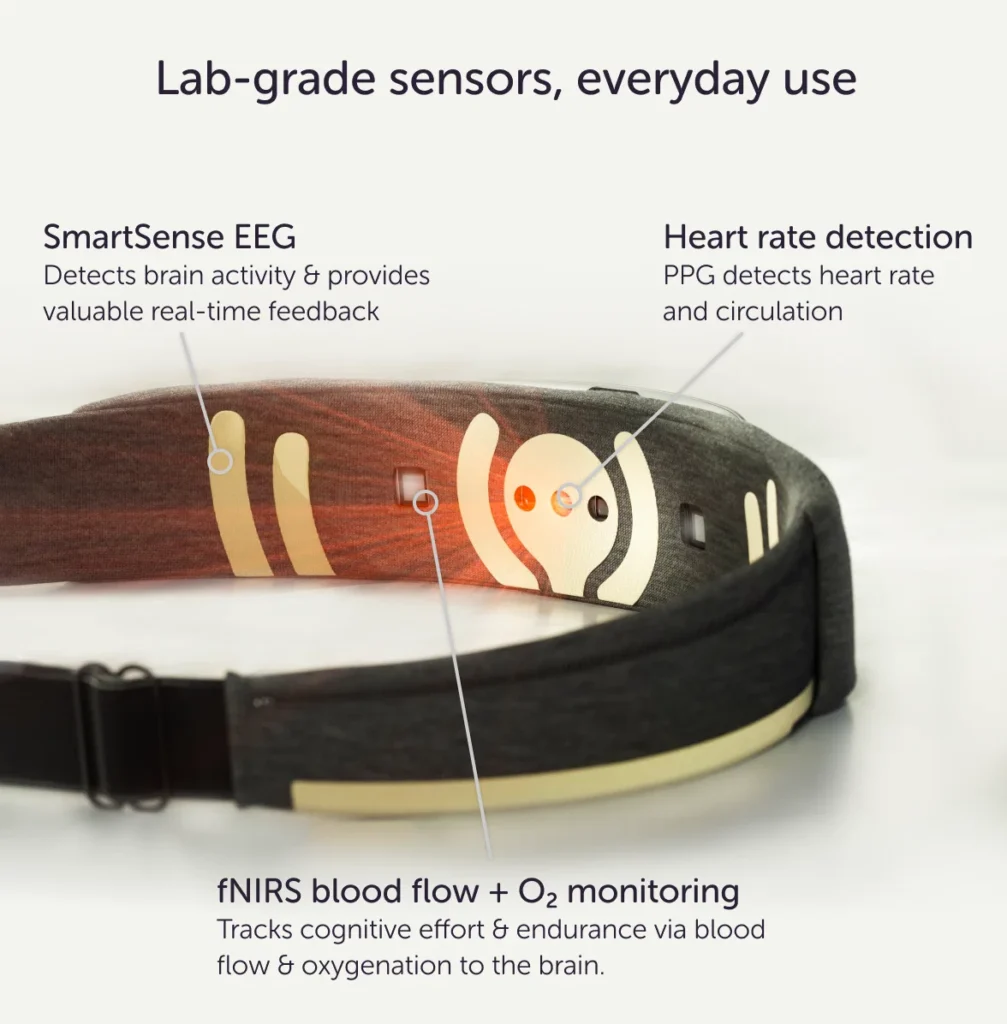
The headset uses four EEG sensors positioned across the forehead and behind the ears. During meditation sessions, the accompanying app translates changes in brain activity into natural soundscapes. As your mind becomes calmer, environmental sounds become quieter, providing immediate feedback without requiring any technical knowledge.
The latest Athena model also introduces improved sleep analysis and overnight monitoring, making it more versatile than earlier versions.
Pros
- Excellent build quality
- Comfortable enough for longer sessions
- Outstanding companion app
- Very beginner friendly
- Regular software updates
- Strong UK availability
Cons
- Subscription required for some premium features
- Not intended for advanced research projects
- Higher initial cost than entry-level alternatives
Who should buy it?
If your primary goals are meditation, mindfulness, focus training or improving sleep quality, the Muse S Athena remains our top recommendation. It delivers the best overall user experience without requiring any specialist knowledge.
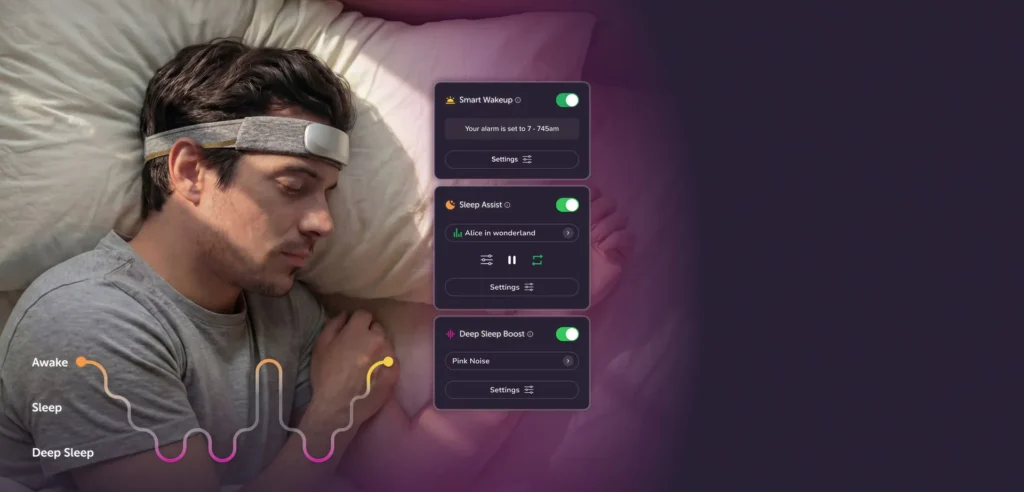
At a Glance
Muse S Athena
- Best for: Meditation, sleep and everyday neurofeedback.
- Experience required: Beginner.
- Typical price: £350 to £450.
- Subscription: Some premium content requires an ongoing subscription.
- Our verdict: The easiest headset to recommend for most buyers.
2. EMOTIV Insight Review
If Muse is designed for consumers, the EMOTIV Insight is aimed at users who want to go beyond guided meditation. It has become one of the best-known consumer EEG headsets thanks to its combination of good signal quality, developer tools and growing software ecosystem.
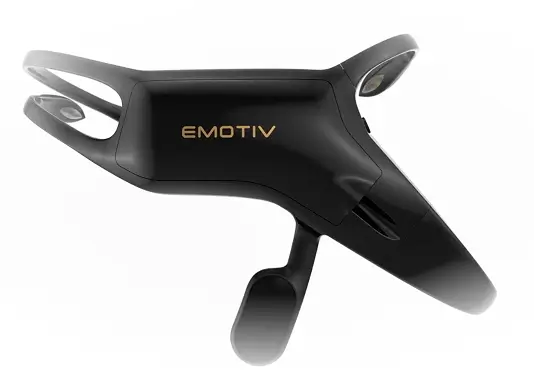
The headset uses five EEG sensors positioned to capture activity from multiple areas of the brain. Unlike simpler devices, EMOTIV gives users access to considerably more raw data, making it suitable for software developers, university projects and anyone interested in brain-computer interface applications.
The lightweight design is comfortable enough for extended sessions, while wireless connectivity keeps setup straightforward.
One point worth considering is the software licensing model. While the hardware is excellent, some advanced features require an ongoing subscription. Depending on your intended use, this can significantly increase the overall cost of ownership.
Pros
- High quality EEG hardware
- Five EEG channels
- Excellent developer support
- Strong SDK for custom applications
- Comfortable lightweight design
- Large user community
Cons
- Subscription costs for some software features
- Steeper learning curve than Muse
- Less suitable for complete beginners
Check out our Emotiv vs Muse guide.
Who should buy it?
The EMOTIV Insight is best suited to developers, students, researchers and technically minded users who want access to more detailed EEG information than consumer wellness devices provide.
EMOTIV Insight
- Best for: Developers, universities and advanced users.
- Experience required: Intermediate.
- Typical price: £350 to £500.
- Subscription: Yes, for some advanced software features.
- Our verdict: Excellent hardware for users who want more than guided meditation.

3. NeuroSky MindWave Mobile 2 Review
The NeuroSky MindWave Mobile 2 has been around for several years, but it continues to offer one of the cheapest ways to start experimenting with EEG technology.
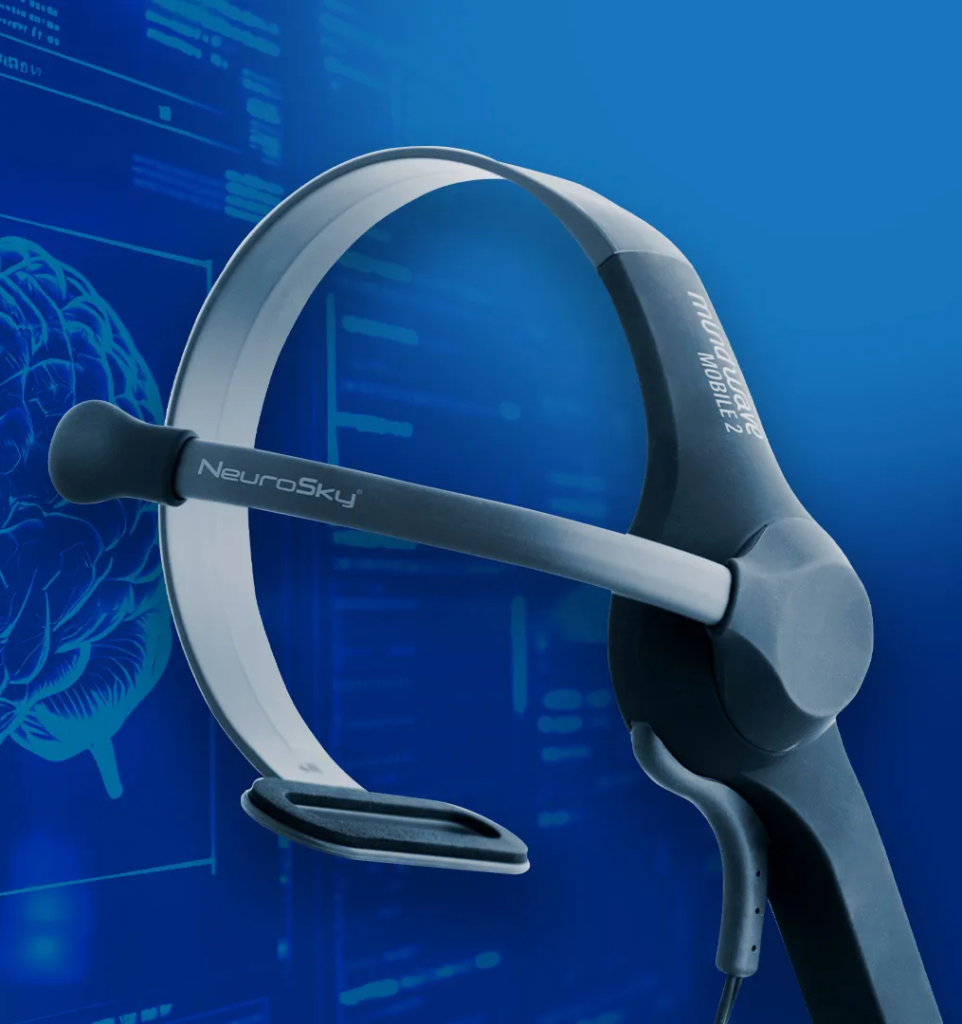
Unlike the other headsets in this guide, the MindWave uses a single dry sensor positioned on the forehead. That means it cannot capture the same level of detail as multi-channel systems, but it remains perfectly adequate for educational projects, simple neurofeedback exercises and learning the fundamentals of EEG.
Its biggest advantage is affordability. For many buyers, spending well over £300 on a first EEG headset is difficult to justify. The MindWave offers a much lower entry point while still introducing users to attention and meditation metrics.
Pros
- Affordable
- Very easy to set up
- Good battery life
- Suitable for schools and education
- Large range of compatible apps
Cons
- Single EEG sensor
- Limited data compared with multi-channel systems
- Basic construction
Who should buy it?
The MindWave Mobile 2 is ideal for beginners, students, teachers and hobbyists who want an inexpensive introduction to EEG technology without investing in more advanced equipment.
NeuroSky MindWave Mobile 2
- Best for: Students and first-time buyers.
- Experience required: Beginner.
- Typical price: £120 to £180.
- Subscription: No.
- Our verdict: Outstanding value if you’re learning about EEG.

4. OpenBCI Cyton Review
The OpenBCI Cyton is a completely different proposition from the other products featured here. Rather than being a polished consumer headset, it is an open hardware platform designed for experimentation and research.
Available in both 8-channel and 16-channel configurations, the Cyton provides significantly more flexibility than consumer devices. Researchers can integrate additional sensors, customise software and build complex brain-computer interface projects using openly documented hardware.
That flexibility comes at a cost. The Cyton requires assembly, configuration and considerably more technical knowledge than products such as Muse.
For experienced users, however, it remains one of the most capable EEG platforms available without stepping into clinical equipment costing several thousand pounds.
Pros
- Highly expandable
- Excellent signal quality
- Open-source ecosystem
- Ideal for research projects
- Large developer community
Cons
- Expensive
- Not beginner friendly
- Requires additional accessories for many setups
- Longer setup time
Who should buy it?
If you are conducting research, developing brain-computer interfaces or require maximum flexibility, the OpenBCI Cyton is one of the strongest options available.
OpenBCI Cyton
- Best for: Research and custom projects.
- Experience required: Advanced.
- Typical price: From around £700 before accessories.
- Subscription: No.
- Our verdict: A powerful platform for experienced users rather than casual buyers.

EEG Headset Comparison
| Feature | Muse S Athena | EMOTIV Insight | MindWave Mobile 2 | OpenBCI Cyton |
|---|---|---|---|---|
| Ease of Use | ★★★★★ | ★★★★☆ | ★★★★★ | ★★☆☆☆ |
| Research Capability | ★★☆☆☆ | ★★★★☆ | ★★☆☆☆ | ★★★★★ |
| Meditation | ★★★★★ | ★★★☆☆ | ★★★☆☆ | ★★☆☆☆ |
| Software Ecosystem | ★★★★★ | ★★★★☆ | ★★★☆☆ | ★★★★☆ |
| Value for Money | ★★★★★ | ★★★★☆ | ★★★★★ | ★★★★☆ |
Which EEG Headset Should You Choose?
There is no single headset that suits everyone. Your choice should depend on what you actually want to achieve rather than simply buying the most expensive model.
Choose Muse S Athena if…
- You are new to EEG.
- Your main interest is meditation.
- You want guided neurofeedback sessions.
- You value an excellent mobile app.
- You want the easiest setup.
Choose EMOTIV Insight if…
- You want access to more detailed EEG data.
- You are developing software.
- You are studying neuroscience or engineering.
- You want a headset that can grow with your skills.
Choose NeuroSky MindWave if…
- You have a limited budget.
- You are buying your first EEG headset.
- You are using it for education or STEM learning.
- You simply want to understand how EEG technology works.
Choose OpenBCI Cyton if…
- You need research-grade flexibility.
- You are building custom projects.
- You require additional channels.
- You are comfortable configuring hardware and software.
What to Look for Before Buying an EEG Headset
Price is only one part of the equation. Before choosing a headset, consider how you expect to use it over the next few years.
Number of EEG Channels
More channels generally provide more detailed recordings, but they also increase cost and complexity. Four or five channels are sufficient for most consumer applications, while research projects often require eight channels or more.
Dry vs Wet Electrodes
Most consumer headsets use dry electrodes, making setup much quicker. Professional systems may use conductive gel to improve signal quality, although this adds preparation time and ongoing maintenance.
Software Costs
Some manufacturers include their software free of charge, while others charge monthly or annual subscription fees for advanced analysis tools. Always factor these ongoing costs into your budget.
Comfort
If you intend to wear the headset for 30 to 60 minutes several times each week, comfort matters almost as much as signal quality. A slightly less capable headset that you enjoy using regularly will often deliver a better overall experience.
EEG Headset Buying Guide for UK Buyers
Most consumer EEG headsets sold in the UK are purchased directly from manufacturers or through online marketplaces rather than traditional electronics retailers. Before placing an order, it is worth checking a few practical details that can make a significant difference to the overall ownership experience.
UK Warranty
Always check where warranty claims are handled. Some manufacturers operate UK support, while others require faulty units to be returned overseas, increasing both cost and turnaround times.
Import Charges
If ordering directly from outside the UK, check whether VAT, customs duties or courier handling fees are included in the advertised price. A headset that initially appears cheaper can quickly become more expensive once additional charges are added.
Software Availability
Before buying, confirm that the companion software is available for your preferred platform. While most manufacturers support Windows, macOS, Android and iOS, compatibility can vary between models and some advanced features may only be available on desktop operating systems.
Long-term Support
An EEG headset is a long-term purchase. Look for manufacturers with a history of regular software updates and active customer support rather than simply choosing the newest product on the market.
Are Expensive EEG Headsets Worth the Money?
Not necessarily.
For most home users, spending more than £500 does not automatically lead to a better experience. Premium systems generally provide additional EEG channels, more flexible software and greater research capability, but many of those features will never be used by someone interested in meditation, concentration or personal neurofeedback.
If you are new to EEG, a well-supported consumer headset is usually a better investment than purchasing research hardware with features you may never need.
Can You Use an EEG Headset Every Day?
Most consumer EEG headsets are designed for regular use. Many owners complete daily sessions lasting between 10 and 30 minutes, particularly when using guided meditation or neurofeedback exercises.
Comfort often becomes more important than specifications over time. A headset that is easy to wear and quick to set up is far more likely to become part of your daily routine than one requiring lengthy preparation.
How Long Does It Take to Learn?
Most people become comfortable using a consumer EEG headset within a few sessions. Understanding what the data actually means takes considerably longer.
If your goal is simply to improve mindfulness or relaxation, you can start benefiting almost immediately. Learning to interpret raw EEG data, however, requires a basic understanding of neuroscience and signal processing.
Best EEG Headsets by Use Case
The best EEG headset depends almost entirely on what you want to achieve. A developer building a brain-computer interface project has very different requirements from someone looking to improve meditation or sleep.
Best for Meditation
Winner: Muse S Athena
Muse remains the easiest recommendation for meditation. The app is polished, setup is quick and the real-time audio feedback makes it simple to stay engaged during sessions. Most beginners will get more value from Muse than from a technically superior headset with a complicated interface.
Best for Neurofeedback
Winner: Muse S Athena
For home users interested in neurofeedback, Muse offers the most complete package. The combination of comfortable hardware, guided exercises and regular software updates makes it suitable for building a consistent daily routine.
Best for Developers
Winner: EMOTIV Insight
The Insight is a better fit for developers thanks to its SDK, API access and support for custom applications. If you plan to build your own software or experiment with brain-computer interfaces, it offers considerably more flexibility than meditation-focused headsets.
Best for Students
Winner: NeuroSky MindWave Mobile 2
The MindWave remains one of the cheapest ways to start learning about EEG technology. While it lacks the detail of multi-channel systems, it is more than capable of introducing students to the basics of brainwave monitoring.
Best for Research
Winner: OpenBCI Cyton
If your work involves neuroscience research or advanced EEG analysis, OpenBCI offers the flexibility and expandability needed for more demanding projects.
Should You Buy a Consumer EEG Headset?
Consumer EEG devices have improved dramatically, but it is important to have realistic expectations.
These headsets are designed for learning, neurofeedback, meditation, software development and personal experimentation. They are not medical devices and should not be used to diagnose neurological conditions or replace professional clinical assessment.
If your goal is improving focus, building a meditation habit or learning more about EEG technology, today’s consumer devices can provide an engaging and rewarding experience. If you require medical testing, you should always consult a healthcare professional.
Common Buying Mistakes
Buying More Technology Than You Need
Many first-time buyers assume that more channels automatically mean a better experience. In reality, a simpler headset that you use regularly is usually a better investment than an expensive research platform that spends most of its time in a drawer.
Ignoring Software Costs
The purchase price is only part of the overall cost. Some manufacturers charge ongoing subscription fees for advanced features, cloud storage or detailed analytics. Always check what is included before buying.
Choosing Based on Price Alone
The cheapest headset is not always the best value. A slightly more expensive model with better software, improved comfort and long-term support will often provide a much better experience.
Useful Accessories
Most buyers focus entirely on the headset, but a few accessories can make day-to-day use much easier.
- Protective hard carry case for travel and storage.
- Rechargeable batteries if your headset uses replaceable cells.
- Microfibre cloth for cleaning sensors.
- Alcohol-free cleaning wipes for regular maintenance.
- A tablet stand if you regularly use guided meditation sessions.
Frequently Overlooked Costs
| Cost | Should You Budget For It? |
|---|---|
| Software subscriptions | Possibly |
| Replacement batteries | Yes |
| Protective case | Recommended |
| Replacement sensors or accessories | Depending on the model |
Which EEG Headset Offers the Best Value?
Value is not simply about buying the cheapest headset.
If your goal is meditation or improving focus, spending more on an advanced research platform is unlikely to improve your results. In contrast, if you’re developing software or studying neuroscience, a budget headset may quickly become limiting.
For most people, the sweet spot is a headset that combines reliable hardware with straightforward software and good long-term support. That’s the main reason the Muse S Athena tops our recommendations.
Should You Buy New or Used?
Buying a used EEG headset can save a significant amount of money, particularly if you’re considering premium models from EMOTIV or OpenBCI. Before purchasing, check that all sensors, charging cables and accessories are included and confirm that the headset can still be registered with the manufacturer’s software.
If buying second-hand, look for sellers with detailed photographs, a clear description of the headset’s condition and evidence that it has been tested recently. Replacing missing accessories can quickly reduce any initial savings.
Our Testing Philosophy
Many comparison articles simply repeat manufacturer specifications. While technical specifications are useful, they don’t always reflect what it’s actually like to own and use an EEG headset over months or years.
We place greater emphasis on the overall ownership experience, including software quality, comfort, reliability, ease of setup and whether the headset delivers consistent value over time. Those factors often have a much bigger impact than an extra sensor or a slightly higher sampling rate.
Our Final Verdict
For most UK buyers, the Muse S Athena remains the best all-round EEG headset currently available. It combines reliable hardware with excellent software, straightforward setup and a polished user experience that appeals to both beginners and experienced users.
If your interests are more technical, the EMOTIV Insight offers greater flexibility and access to richer EEG data, making it an excellent choice for developers and students.
Buyers on a tighter budget should not overlook the NeuroSky MindWave Mobile 2. Although it cannot match multi-channel headsets, it provides an affordable introduction to EEG technology and remains one of the best entry-level options.
For advanced research, OpenBCI Cyton continues to set the standard thanks to its open architecture and highly configurable platform.
Ultimately, the best EEG headset is the one that matches your goals, experience and budget. Choosing the right device from the outset will save money and provide a far more enjoyable introduction to consumer EEG technology.